


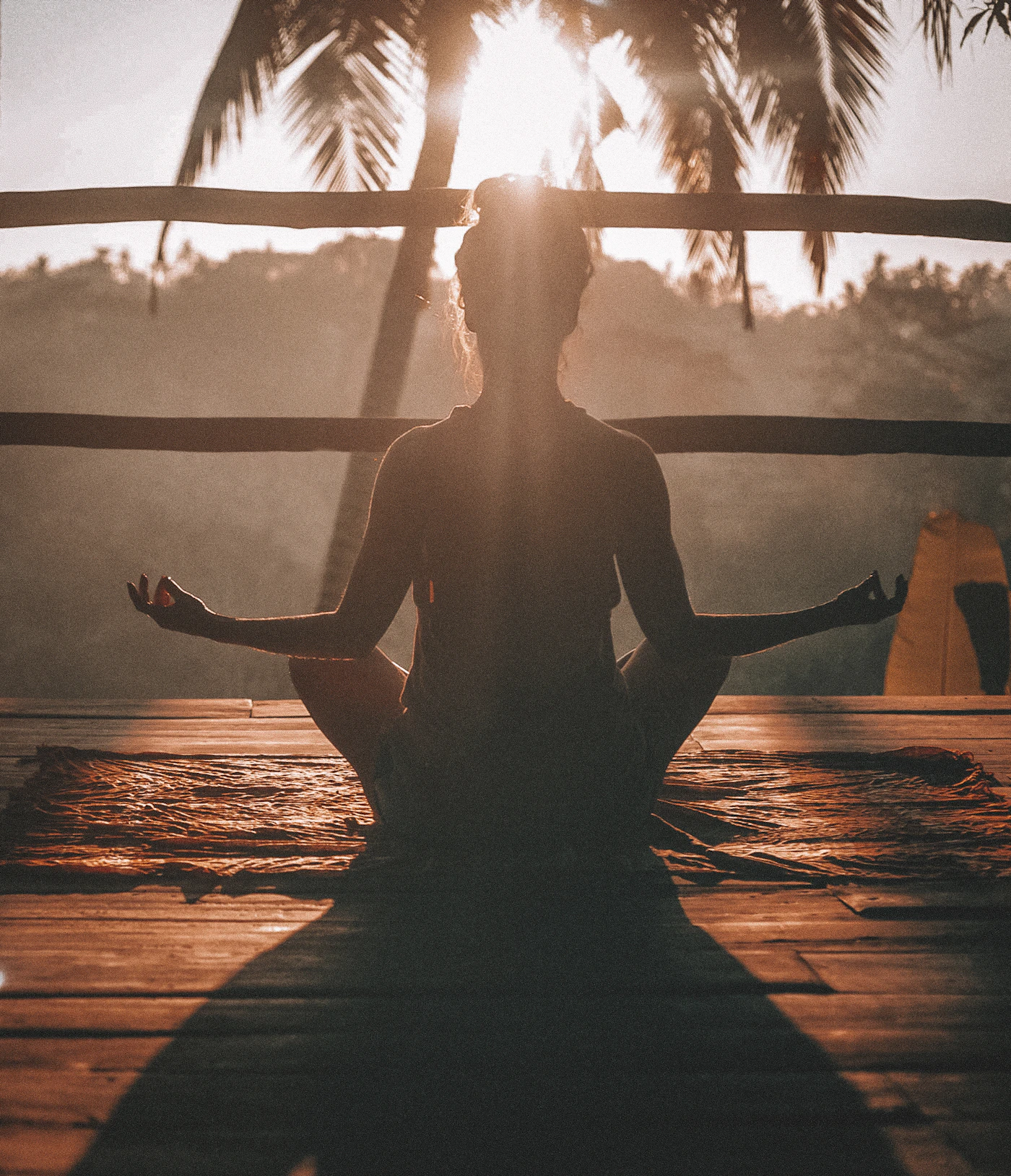
Kundalini yoga is probably the most misrepresented style in the contemporary yoga market. It is described variously as the “yoga of awareness,” the most powerful yoga practice available, an ancient secret technology, and a therapeutic system for the modern nervous system. It is also, since 2020, the style most in the middle of a serious reckoning about its primary Western teacher.
Engaging with kundalini retreats honestly requires holding both things: that the practices themselves — kriyas, mantra, pranayama, gong baths, morning sadhana — can be genuinely powerful and beneficial, and that the institutional context in which most Western Kundalini yoga was transmitted was deeply compromised. This guide tries to do both.
What Is Kundalini Yoga?
Kundalini, in the yogic and Tantric traditions, refers to the energy believed to lie dormant at the base of the spine — coiled like a serpent (kundalini is Sanskrit for “coiled one”) — which can be awakened and raised through the chakra system, producing expanded states of consciousness. References to kundalini energy appear in Tantric texts from the 8th century CE onward; the conceptual framework is significantly older than any of the practices marketed as “Kundalini yoga” in the West today.
What Harbhajan Singh Khalsa (Yogi Bhajan) brought to the United States in 1969 — via Los Angeles, teaching his first classes at a head shop in Hollywood — was his own synthesis: Sikh devotional practice (mantra, prayer, white clothing) combined with specific yogic techniques for working with the nervous and glandular systems. He called it Kundalini Yoga as Taught by Yogi Bhajan, which is the precise and official name of the style. It is not an ancient unbroken lineage; it is one teacher’s synthesis, created in the late 1960s.
This distinction matters not to diminish the practices but to understand them accurately. Kriyas — the specific exercise sets that form the core of the practice — are genuinely functional: sequences of breathwork, movement, mantra, and meditation that work on specific body systems (the liver, the nervous system, the lymphatic system, the hormonal system). The effects are real. But they come from a created technology, not an immemorial tradition.
The practices not associated specifically with Yogi Bhajan — older Tantric kriyas, the philosophy of the subtle body (nadis, chakras, prana), mantra from the Vedic and Sikh traditions — have deep roots. The best contemporary Kundalini teachers draw from both the Yogi Bhajan technology and these older streams.
What Happens at a Kundalini Yoga Retreat?
The anchor of every serious Kundalini retreat is morning sadhana — group practice before sunrise. In 3HO tradition, sadhana begins at 4:00am (the “ambrosial hours” before dawn, considered particularly potent for practice) and runs for two and a half hours.
The Aquarian Sadhana format, used in most 3HO retreats, opens with the recitation of Japji Sahib — a Sikh morning prayer by Guru Nanak — followed by 62 minutes of kriyas and breathwork, and then 62 minutes of mantra chanting through the “Seven Aquarian Mantras.” The gong is often played during the final resting phase. Cold showers (ishnaan) after sadhana are traditional; they’re said to move blood from the periphery to the organs and reset the nervous system. The experience is bracing in both senses.
Daytime programming at a well-structured Kundalini retreat includes: one or two additional kriya sets targeting specific areas (women’s health, stress response, emotional balance); philosophy lectures on the chakra system, the Ten Bodies (the Kundalini framework for the bodies of energy and consciousness), or Sikh devotional philosophy; gong bath sessions in late afternoon (the gong is central to Kundalini in a way it’s not in other yoga traditions — the vibration is used as a sound healing tool and can produce vivid relaxation or altered states); and sharing circles or group discussion.
The diet at Kundalini retreats is typically vegetarian and often includes foods considered particularly supportive for yogic practice — Golden Milk (turmeric-spiced milk), yogi tea (a spiced chai), and simple wholesome foods. Caffeine is typically discouraged.
Who Is a Kundalini Yoga Retreat For?
Kundalini retreats attract a specific demographic — and with reason. The practice is particularly effective for:
Women dealing with hormonal and nervous system dysregulation. Yogi Bhajan taught extensively on women’s physiology, and while some of his teachings in this area are problematic and need critical scrutiny, the kriyas designed for the endocrine and reproductive system are often experienced as genuinely beneficial by women dealing with hormonal flux.
People with high-stress careers and accumulated nervous system load. The combination of intense breathwork, cold water practices, and early morning schedule functions as a kind of system reset. Practitioners in demanding fields — medicine, finance, law — often describe their first Kundalini retreat as the most effective nervous system intervention they’ve encountered.
Practitioners from other yoga styles who feel their practice has become purely physical. Kundalini immediately moves into subtler territory — mantra, breathwork, the energy body — in a way that can re-enchant a practice that has become mechanical.
People drawn to the intersection of yogic and devotional traditions. The Sikh mantra, the morning prayer, the white clothing, and the community sadhana give Kundalini a devotional quality that some practitioners find deeply nourishing and others find off-putting. Know which you are before booking.
Kundalini is less suited to practitioners who are primarily interested in physical postures or who are skeptical of energetic and philosophical frameworks. It’s also not appropriate for anyone in an acute mental health crisis or in early recovery from trauma without professional support.
The Best Destinations for Kundalini Yoga Retreats
Rishikesh retreats has teachers from multiple Kundalini lineages. The Tantric traditions that predate Yogi Bhajan are represented here by teachers with genuine classical training; the town also has several centres running 3HO-style Kundalini programmes. The advantage of Rishikesh is the broad yogic ecology: you can attend a Kundalini retreat in the same town where Sivananda Hatha and Ashtanga are also practised, which provides useful comparative context.
Dharamsala retreats — specifically the McLeod Ganj area — offers a setting that is philosophically congruent with Kundalini’s inner-work orientation. The Tibetan Buddhist presence (the Dalai Lama’s residence is here, and dozens of Tibetan Buddhist monasteries and study centres are within walking distance) creates an atmosphere of genuine contemplative seriousness. The altitude (approximately 1,400 metres), the Himalayan setting, and the quiet of the mountains all support intensive practice.
Portugal retreats has emerged as the strongest European Kundalini destination. The country has a significant 3HO community, several dedicated Kundalini teachers, and the natural quietness of the rural Alentejo and Algarve that provides ideal conditions for multi-day sadhana. It’s accessible from most European cities with a short flight, which makes it a practical option for European practitioners.
Spain — particularly the Pyrenees region and Andalucia — also has a strong 3HO community with established retreat infrastructure, though this is not a destination we currently list individually.
What to Look for in a Kundalini Yoga Retreat Teacher
Given the abuse revelations about Yogi Bhajan and the organizational context in which much Kundalini teaching has occurred, choosing a Kundalini teacher requires more diligence than most yoga styles.
Specific questions worth asking before booking:
How does the teacher address the Yogi Bhajan legacy? Teachers who either don’t mention it or actively minimize the investigation findings are not engaging honestly with their own lineage. The best Kundalini teachers have done serious self-examination about the culture of guru devotion, the power dynamics of spiritual communities, and what it means to teach practices from a compromised lineage ethically.
What is the teacher’s training background? 3HO Level 1 and Level 2 certifications represent the standard 3HO pathway; look also for teachers who have studied outside the 3HO framework, particularly those with Tantric training or study with classical Indian teachers, who can locate Kundalini in a broader yogic context.
How does the teacher handle safety around breathwork? Responsible Kundalini teachers screen participants for mental health history, explain the effects of hyperventilatory breathing before the practice, and have clear protocols for supporting students who have intense experiences during kriyas or gong baths.
Is the community culture around the teacher one of transparency or one of specialness? Communities that foster the sense of insider knowledge, spiritual hierarchy, or teacher infallibility recreate exactly the conditions that allowed abuse in the first place.
How Long Should a Kundalini Retreat Be?
Five days minimum for a meaningful introduction. The effects of Kundalini practice — particularly morning sadhana — accumulate: the first few mornings are physically and energetically demanding, and the body only begins to find its rhythm by day three or four. A ten-day retreat allows a genuine settling and the emergence of effects that persist afterward.
Longer Kundalini retreats (three to four weeks, or the annual 3HO summer solstice gathering in New Mexico) are transformative in ways that shorter programmes cannot replicate, but they require significant commitment and should be entered into after at least one shorter retreat experience.
The Difference Between a Kundalini Retreat and Weekly Classes
The distinction is particularly significant for Kundalini. Many of the practices — sustained breath of fire, extended mantra repetition, gong bath sessions — produce effects that require time and accumulated practice to stabilize. A weekly class offers a taste; a multi-day retreat allows the system to begin genuinely shifting.
Morning sadhana specifically only exists in retreat format. There is no equivalent in a weekly class structure to the 4am group practice, the darkness, the cold shower, the two and a half hours before the rest of the world is awake. This singular experience is often the thing practitioners describe as most transformative about a Kundalini retreat — and it’s simply not available outside of the immersion context.
How to Prepare for a Kundalini Yoga Retreat
Physical preparation: No specific physical baseline is required. Kundalini is less physically demanding than Ashtanga or vinyasa; the primary challenge is energetic and psychological rather than muscular. That said, beginning a regular sleep schedule — in bed by 10pm — in the weeks before the retreat will make 4am sadhana significantly less brutal.
Mental preparation: Research Yogi Bhajan and the 2020 investigation findings before arriving. Understanding the historical context of the practice you’re entering — including its complications — makes for a more honest and ultimately more empowering experience. Anima Pura’s documentary Yogi Bhajan: The Man Called the Mahan Tantric (2021) is a starting point; the independent investigation report commissioned by the Unto Infinity Board is available online.
Practical preparation: Bring white or light-coloured clothing. Pack earplugs if you’re a light sleeper sharing a dormitory. Bring a journal — Kundalini retreats tend to surface a lot that’s worth capturing in writing. Let your family or work contacts know you’ll have limited phone access, especially in the early morning hours.
For more guides on yoga styles and retreats, visit the journal. To understand how we select and vet retreat programmes on this site, see how we vet.